How to Meal Prep for the Week (Without Burning Out)
Meal prepping sounds like a great idea until Sunday afternoon rolls around, when the thought of standing in the kitchen for 4 hours makes you want to order pizza instead. Here's the thing: meal prep doesn't have to be an all-day project. With the right approach, you can set yourself up for a week of easy, home-cooked meals in under two hours.
Why Meal Prep Actually Works
The biggest barrier to cooking on weeknights isn't laziness. It's decision fatigue. After a long day, choosing what to make is half the battle. Meal prepping removes that friction by doing the thinking ahead of time.
Research published in the American Journal of Preventive Medicine found that people who spend more time cooking at home have healthier diets, eat out less, and spend less money on food. Planning what you'll cook in advance is one of the most effective ways to make that happen consistently.
Beyond saving time, meal prepping is one of the most effective ways to cut your grocery bill. When you cook in bulk, you buy in bulk, and you actually use what you buy instead of watching it go soft in the crisper drawer.
The 3-Component Method
Forget trying to prep 10 complete dishes. The most sustainable approach is prepping components that mix and match throughout the week.
1. A Grain or Starch
Cook a big batch of rice, quinoa, farro, or pasta. This becomes the base for bowls, sides, and quick stir-fries all week. Cilantro Lime Rice is a crowd-pleaser that works under almost anything: tacos, grilled chicken, roasted veggies, you name it.
2. A Protein
Roast a tray of chicken thighs, hard-boil a dozen eggs, or simmer a big pot of beans. Proteins are the most time-intensive part of cooking, so doing them in advance pays off the most. Chickpea Curry is a smart prep choice because it gets better as it sits and reheats beautifully for lunches all week.
3. Roasted or Prepped Vegetables
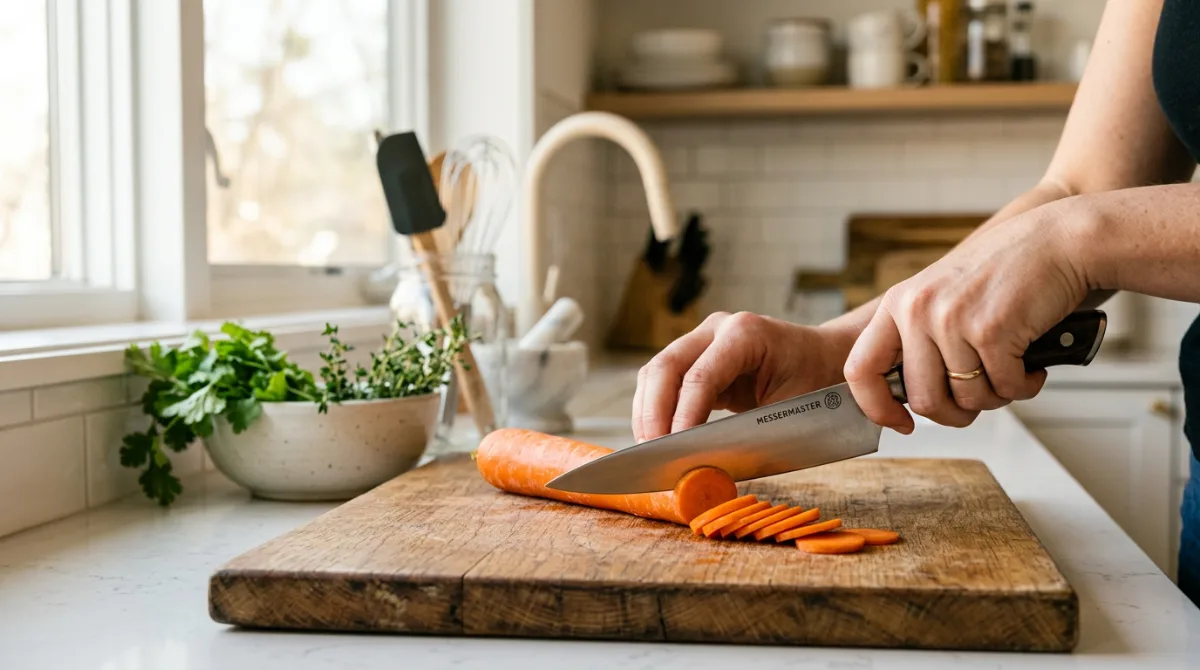
Sheet-pan vegetables take 25 minutes and require virtually no effort. Chop, toss in olive oil and salt, and roast at 425°F until caramelized. These go into grain bowls, pasta, wraps, or straight from the container when you need something fast.
How to Actually Start
The mistake most people make is trying to do everything on their first week. Start smaller than you think you need to.
Week 1 goal: Prep just one grain and one protein. That's it.
Once that feels easy, usually by week two or three, add vegetables. By week four, you'll have a rhythm that doesn't feel like a chore. The goal is building a habit, not impressing anyone.
A few practical tips that make a real difference:
- Shop with a plan. Before you buy anything, know what you're prepping. A list tied to actual recipes saves money and prevents the "I bought kale, and now I don't know what to do with it" problem.
- Use similar ingredients across dishes. If you buy a can of coconut milk for one recipe, use the rest to build another dish. Less waste, more flavor variety.
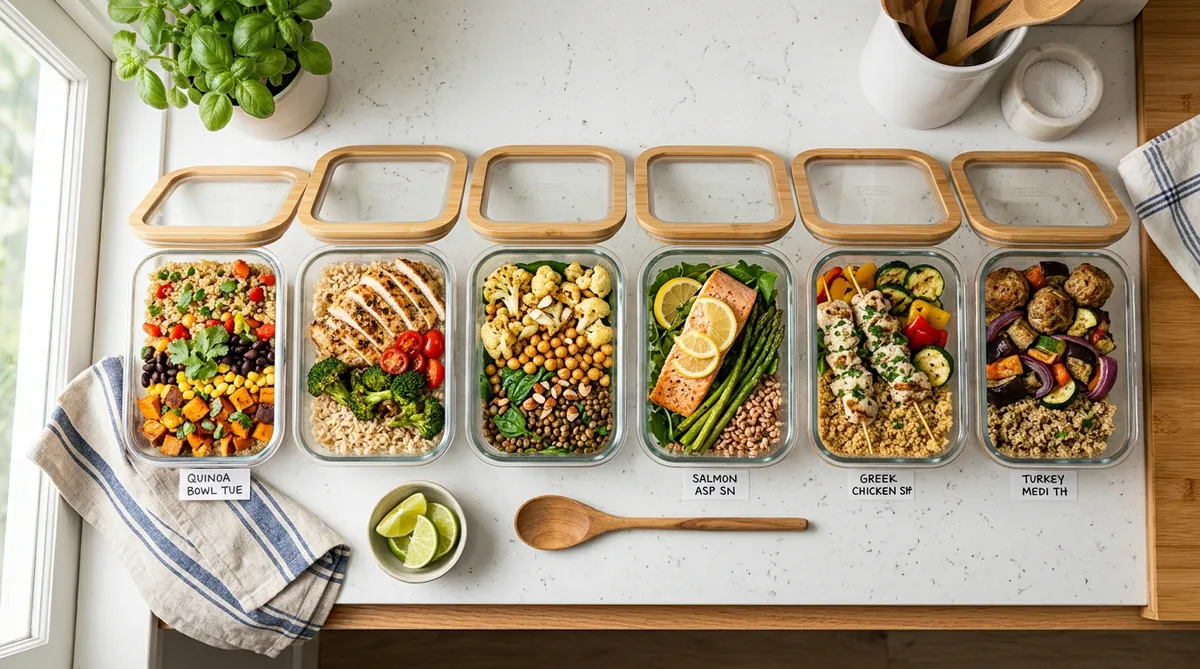
- Invest in good storage. Glass containers with tight lids keep food fresher longer and make it easy to see what you have. Label with the date if you're the forgetful type.
A Realistic Weekly Prep Plan
Here's what a low-effort, high-reward prep session might look like.
Sunday Prep (about 90 minutes):
- Cook 2 cups of rice or farro
- Roast one sheet pan of vegetables (broccoli, sweet potato, bell pepper)
- Cook a protein: rotisserie chicken pulled apart, a pot of lentils, or baked salmon fillets
What that gives you:
- Monday: grain bowl with roasted veg and protein
- Tuesday: tacos or wraps with leftover protein
- Wednesday: pasta night, no prep needed
- Thursday: stir-fry using the rice
- Friday: a simple salad or soup to close out the week
Not sure which recipes to build your week around? Food Noggin's Tonight's Best feature suggests meals based on what's already in your pantry, making planning your prep even easier.
Keeping It From Getting Boring
The biggest complaint about meal prepping is that eating the same thing every day gets old fast. The fix is simple: don't prep complete meals. Prep flexible components.
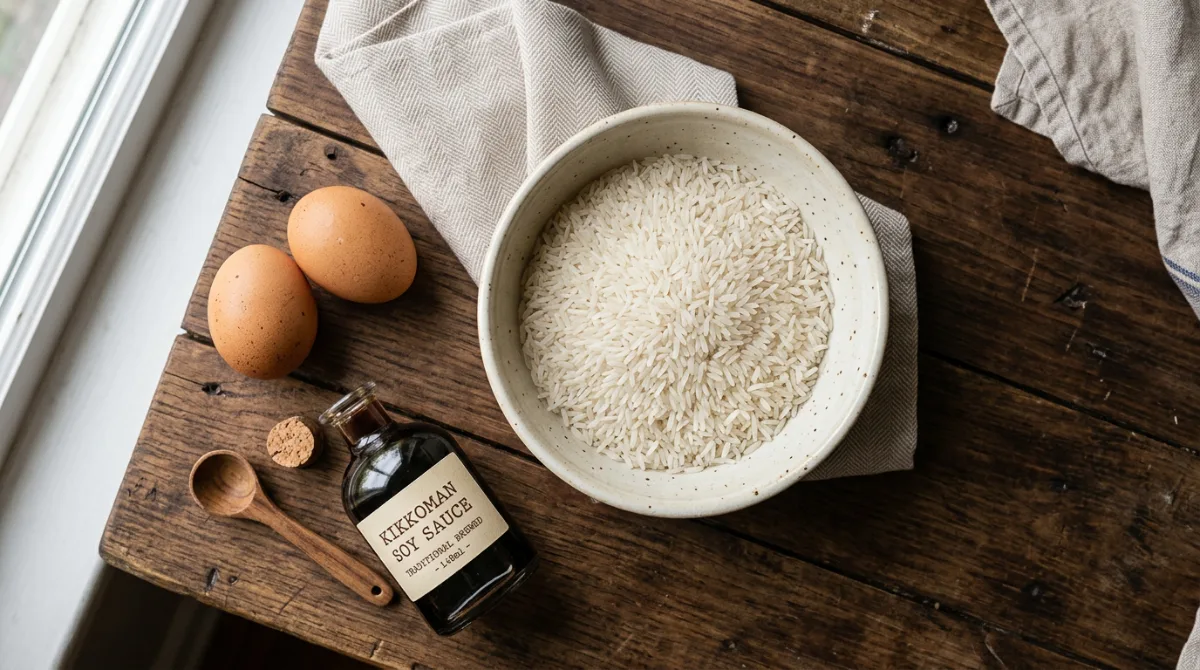
A batch of plain rice can become a stir-fry on Monday, a burrito bowl on Wednesday, and a quick fried rice on Friday just by changing the sauces and toppings. Keep a few condiments on hand, things like soy sauce, tahini, salsa, and hot sauce, and you can make the same ingredients taste completely different every night.
Rotating your protein each week also helps. One week: chicken. Next week: salmon or lentils. The base method stays the same, but the flavor profile changes enough to keep things interesting.
The Mindset Shift That Changes Everything
Meal prep isn't about perfection. It's about making life a little easier for your weeknight self. Some weeks you'll prep five things. Some weeks, you'll prep one pot of soup and call it a win. Both count.
The home cooks who stick with meal prepping long-term aren't the ones with the fanciest containers or the most elaborate plans. They're the ones who keep it simple enough to actually do it again next week.
Start small. Build the habit. Let the results do the motivating.
Frequently Asked Questions
▸ How long does meal prepped food last in the fridge?
Most cooked grains, proteins, and roasted vegetables keep well for 4 to 5 days in airtight containers. Soups and stews often last up to 5 days. If you prep on Sunday, you're covered through Friday with no quality issues.
▸ What's the best food to meal prep for beginners?
Start with a big batch of rice or quinoa and a simple protein like baked chicken thighs or hard-boiled eggs. These are forgiving, versatile, and require minimal technique. Add roasted vegetables once you're comfortable with the basics.
▸ Can I meal prep if I have a small kitchen?
Absolutely. You don't need a lot of counter space, just one large pot, one sheet pan, and a few storage containers. The 3-component method works well in small kitchens because you're only running two or three things at once.
▸ Is meal prepping actually cheaper than buying groceries as needed?
Generally yes. When you plan ahead, you buy only what you need, waste less, and skip impulse purchases. Many home cooks report saving significantly each month just by reducing food waste and cooking at home more consistently.
▸ Should I fully cook meals or just prep ingredients?
It depends on your preference. Prepping components like cooked grains, proteins, and chopped vegetables gives you flexibility to mix and match. Fully cooked meals are faster to reheat but can get repetitive. Most people prefer a mix of both.
▸ How do I keep meal prepped food from getting boring?
Change up the sauces, spices, and flavor profiles mid-week. A batch of plain chicken can become stir-fry on Monday, tacos on Wednesday, and a grain bowl on Friday just by swapping what you put on it. Keeping a few sauces on hand goes a long way.
▸ How do I know which recipes are good for meal prep?
Look for dishes that reheat well and don't get soggy. Soups, stews, curries, grain-based dishes, and roasted proteins are all great. Dishes with delicate textures like crispy coatings or fresh salads are better made fresh.

Ready to cook smarter?
Stop wasting food, time, and money. Let Food Noggin do the thinking.